
Help
Common Questions About Men's Nutrition & Wellness

What nutrients boost men's health?
Proper nutrition forms the foundation of men's wellness. Essential nutrients like zinc, magnesium, and vitamin D support testosterone production, muscle strength, and cardiovascular health. A balanced diet rich in lean proteins, whole grains, and healthy fats optimizes energy levels and mental clarity. Consistent nutrient intake combined with regular exercise creates lasting improvements in physical performance and overall vitality for men of all ages.
Why is men's nutrition so important?
Men face unique nutritional challenges due to higher metabolic rates and muscle mass requirements. Inadequate nutrition contributes to fatigue, weak immunity, and hormonal imbalances. Strategic dietary adjustments prevent chronic diseases like heart disease and diabetes while enhancing sexual function and mental health. Investing in proper nutrition today ensures better quality of life, increased stamina, and sustained wellness throughout your middle and senior years.
What are the key nutrients men need daily?
Men require specific micronutrients for optimal function: zinc strengthens immunity and reproductive health, magnesium supports muscle recovery and sleep quality, vitamin D enhances bone density and mood, and B vitamins boost energy metabolism. Omega-3 fatty acids protect heart health, while selenium provides antioxidant defense. Iron maintains oxygen transport, and potassium regulates blood pressure. Meeting these daily requirements through diverse whole foods or targeted supplementation ensures comprehensive nutritional support.
How can men improve digestion naturally?
Digestive health directly impacts nutrient absorption and overall wellness in men. Increasing fiber intake through vegetables, fruits, and whole grains promotes healthy gut bacteria and regular bowel movements. Staying hydrated, eating slowly, and managing stress reduce bloating and digestive discomfort. Fermented foods like yogurt and kefir contain beneficial probiotics that enhance gut flora. Regular physical activity stimulates digestion, while limiting processed foods and excessive alcohol prevents inflammation and supports optimal nutrient utilization.
What role does protein play in men's fitness?
Protein serves as the building block for muscle tissue, making it essential for men pursuing fitness goals or athletic performance. Adequate protein intake supports muscle recovery after workouts, increases metabolic rate, and promotes satiety during weight management. Men should consume approximately 0.8 to 1 gram per pound of body weight, especially during resistance training. Quality sources include chicken, fish, eggs, legumes, and dairy. Strategic protein timing around workouts maximizes muscle protein synthesis and strength development.
How does nutrition affect sexual health?
Nutritional choices significantly influence sexual performance and reproductive health in men. Foods rich in arginine like nuts and seeds improve blood flow, while antioxidants from dark chocolate and berries combat oxidative stress. Zinc deficiency directly impacts testosterone and sperm production, making oysters and pumpkin seeds valuable additions. Maintaining healthy weight through balanced nutrition reduces erectile dysfunction risk, while limiting sodium and sugar protects cardiovascular function essential for sexual vigor and overall intimate wellness.
Discover expert nutritionist advice tailored for men's specific health goals

How can men lose weight healthily?
Sustainable weight loss requires balanced nutrition rather than extreme restrictions. Men benefit from maintaining adequate protein to preserve muscle mass while creating modest calorie deficits. Whole foods including vegetables, lean meats, and complex carbohydrates provide satiety without excess calories. Strength training preserves metabolism during weight loss, while adequate sleep and stress management support hormonal balance. Consulting a nutritionist ensures personalized strategies accounting for individual metabolism, activity level, and lifestyle preferences.
What supplements should men consider?
Strategic supplementation fills nutritional gaps when whole foods fall short. Multivitamins provide baseline micronutrient coverage, while vitamin D supplementation addresses widespread deficiency affecting mood and bone health. Magnesium improves sleep quality and muscle recovery, and omega-3 supplements support heart and brain health. Protein powders offer convenient recovery support for active men. However, quality matters significantly—choose third-party tested brands and consult healthcare providers before starting new supplements, especially if taking medications.
How does heart health relate to nutrition choices?
Cardiovascular disease remains the leading cause of death in men, making nutrition a critical prevention strategy. Heart-healthy diets emphasize omega-3 rich fish, nuts, and seeds while reducing sodium, refined sugars, and saturated fats. Plant-based foods provide fiber and antioxidants that lower cholesterol and blood pressure. Regular physical activity combined with proper nutrition maintains healthy weight and arterial function. Limiting alcohol, managing stress, and adequate sleep complement dietary efforts for comprehensive cardiovascular protection and longevity.
What foods boost energy and mental clarity?
Mental performance and sustained energy depend on stable blood sugar and proper nutrient intake throughout the day. Complex carbohydrates like oats and quinoa provide steady glucose release, while B vitamins from whole grains support neurotransmitter production. Fatty fish containing omega-3s enhance cognitive function and mood stability. Antioxidant-rich foods including berries and dark leafy greens protect brain cells from oxidative damage. Staying hydrated and eating balanced meals every few hours prevents energy crashes and maintains focus for work and daily activities.
How does sleep relate to nutritional health?
Sleep quality profoundly affects hunger hormones, metabolism, and nutrient utilization in men. Poor sleep increases cravings for processed foods and weight gain while disrupting hormone production. Nutritional strategies supporting better sleep include magnesium-rich foods, avoiding large meals close to bedtime, and limiting caffeine after midday. Tryptophan-containing foods like turkey and pumpkin seeds promote melatonin production. Consistent meal timing aligns with circadian rhythms, while strategic carbohydrate timing aids serotonin production essential for quality rest.
Which foods strengthen bones naturally?
Bone health becomes increasingly critical as men age, with osteoporosis risk rising after fifty. Calcium from dairy products, leafy greens, and fortified foods builds bone density, while vitamin D enhances calcium absorption—crucial since many men lack adequate sun exposure. Magnesium and phosphorus contribute to bone structure, found in nuts, seeds, and whole grains. Weight-bearing exercise combined with proper nutrition maintains skeletal strength. Limiting sodium and caffeine preserves bone mineral content, while avoiding excessive alcohol prevents bone density loss.
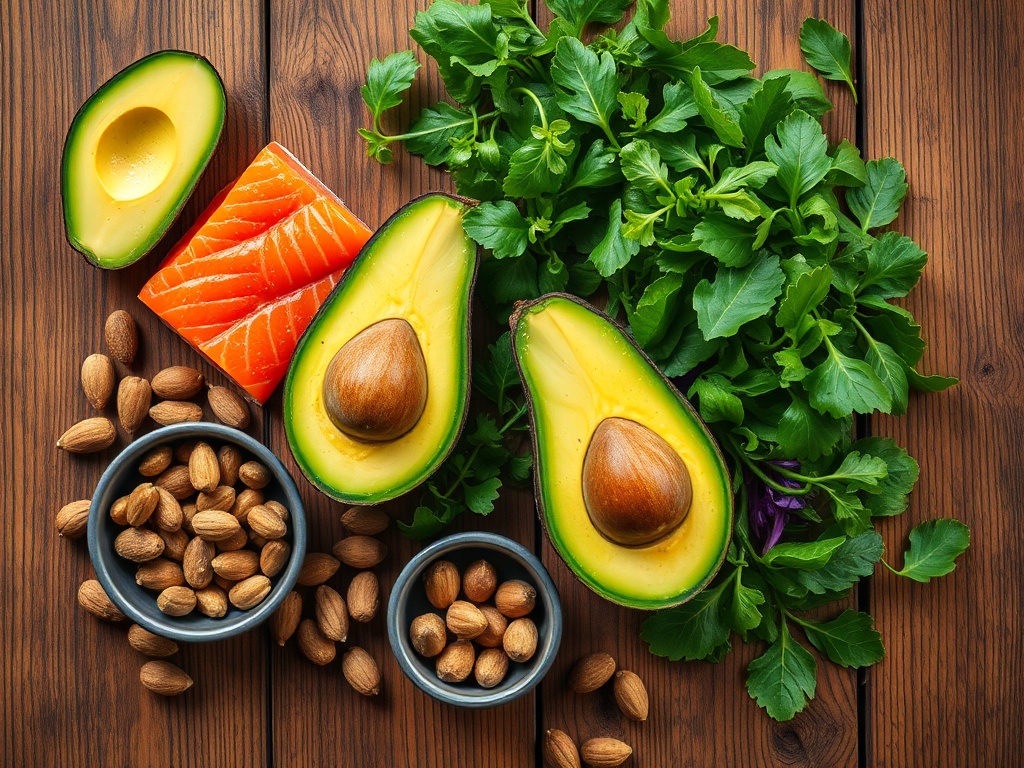

Get your personalized nutrition assessment
Transform your health with expert-guided nutritional strategies